

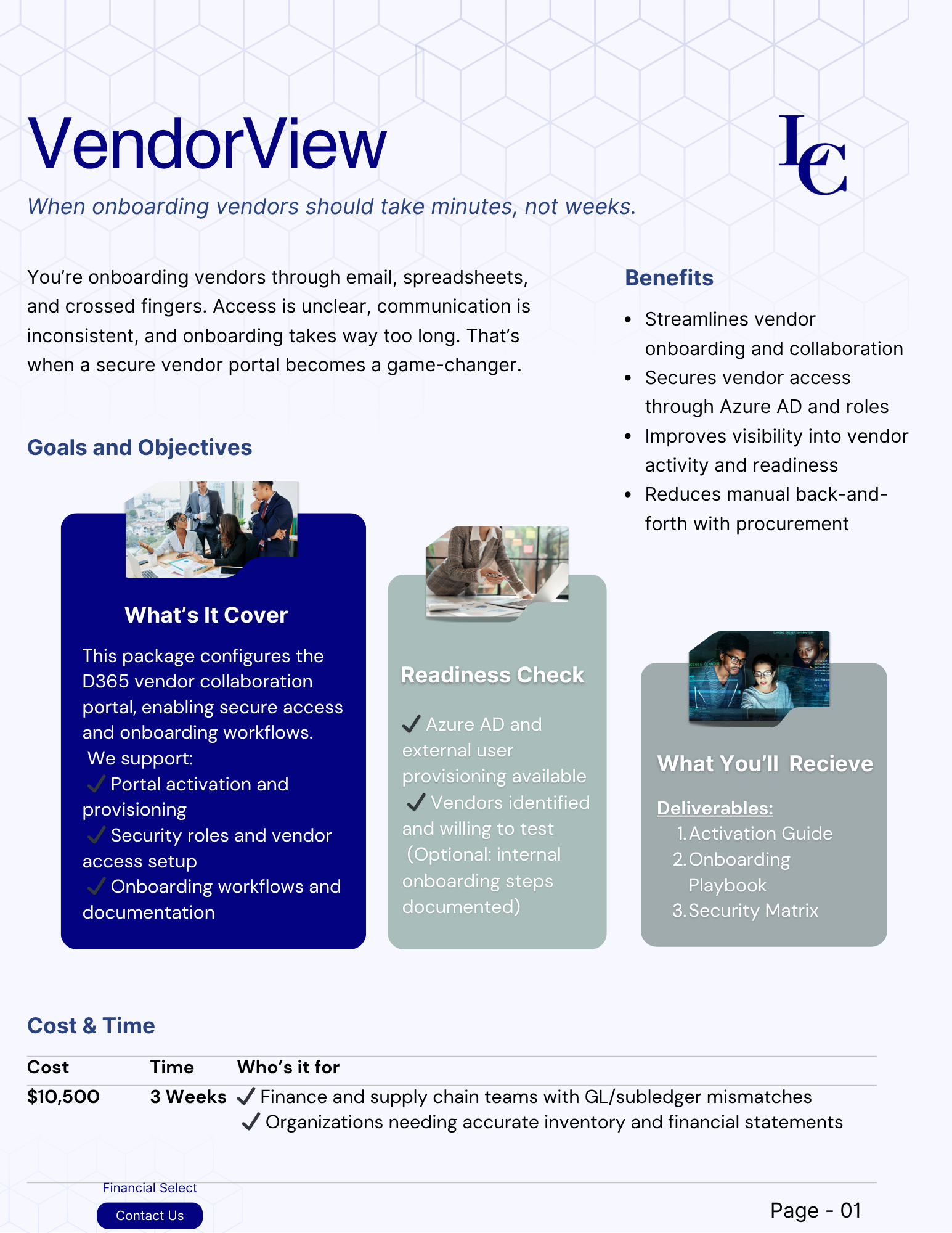


Reviews and corrects ledger-to-subledger alignment in D365 by fixing posting configurations, inventory profiles, reconciliation logic, GL mapping, and critical reporting procedures.
Tariffs in 2025: Unforeseen Changes – Can QAD Handle It?
Posted on: April 25, 2025 | By: Alexa Leitner | QAD Practice News
As we progress through 2025, tariffs are taking center stage in global trade policy, reshaping supply chains, increasing operational costs, and altering the dynamics between some of the world’s largest economies. The United States has implemented sweeping new tariff measures, including a universal 10% import tariff (with exceptions for Canada and Mexico), steep country-specific duties such as a 145% tariff on goods from China, and a 25% levy on all foreign-made automobiles.
These rapid changes have left many QAD users asking the same question: Can our ERP system handle this? The answer is yes…with the right setup. QAD can help businesses turn these challenges into strategic opportunities.
Below are a few ways we’ve seen QAD leveraged to manage the impact of tariffs effectively:
Overhead Categories
- Overhead categories are used to define and allocate indirect costs that are not directly tied to a specific unit of production but necessary to run manufacturing operations. These may include costs such as utilities, equipment depreciation, indirect labor, facility maintenance, potentially even Tariffs.
Flexible Cost Structures:
- QAD’s cost management capabilities enable users to model different tariff scenarios using Cost Simulations which can help businesses understand the margin impact of tariff hikes and make informed decisions about pricing, sourcing, or product mix.
Logistics Accounting
- Logistics accounting in QAD can bridge operational transactions and GL. Logistics accounting can ensure that every movement of goods whether inbound, internal, or outbound has a corresponding financial entry that maintains the integrity of inventory valuation, cost of goods sold (COGS), and landed cost tracking.
Tariff rules are changing quickly. QAD gives businesses the ability to respond rapidly just with compliance, but with proactive planning. Whether it’s rerouting supply lines, forecasting cost implications, or simulating different geopolitical scenarios, QAD supports smarter, faster decision-making.
Every business is unique, and every response to tariffs should be too. If you’re unsure whether you’re using QAD to its full potential to handle these changes, connect with your account manager or fill out our contact form to start a conversation.

Next Steps
If you’re ready to elevate your team’s QAD expertise, we’re here to help. Logan Consulting specializes in QAD training tailored to your organization’s unique needs. Contact us today at info@loganconsulting.com or call (312) 345-8817 to learn more about how we can support your team’s growth and development.