



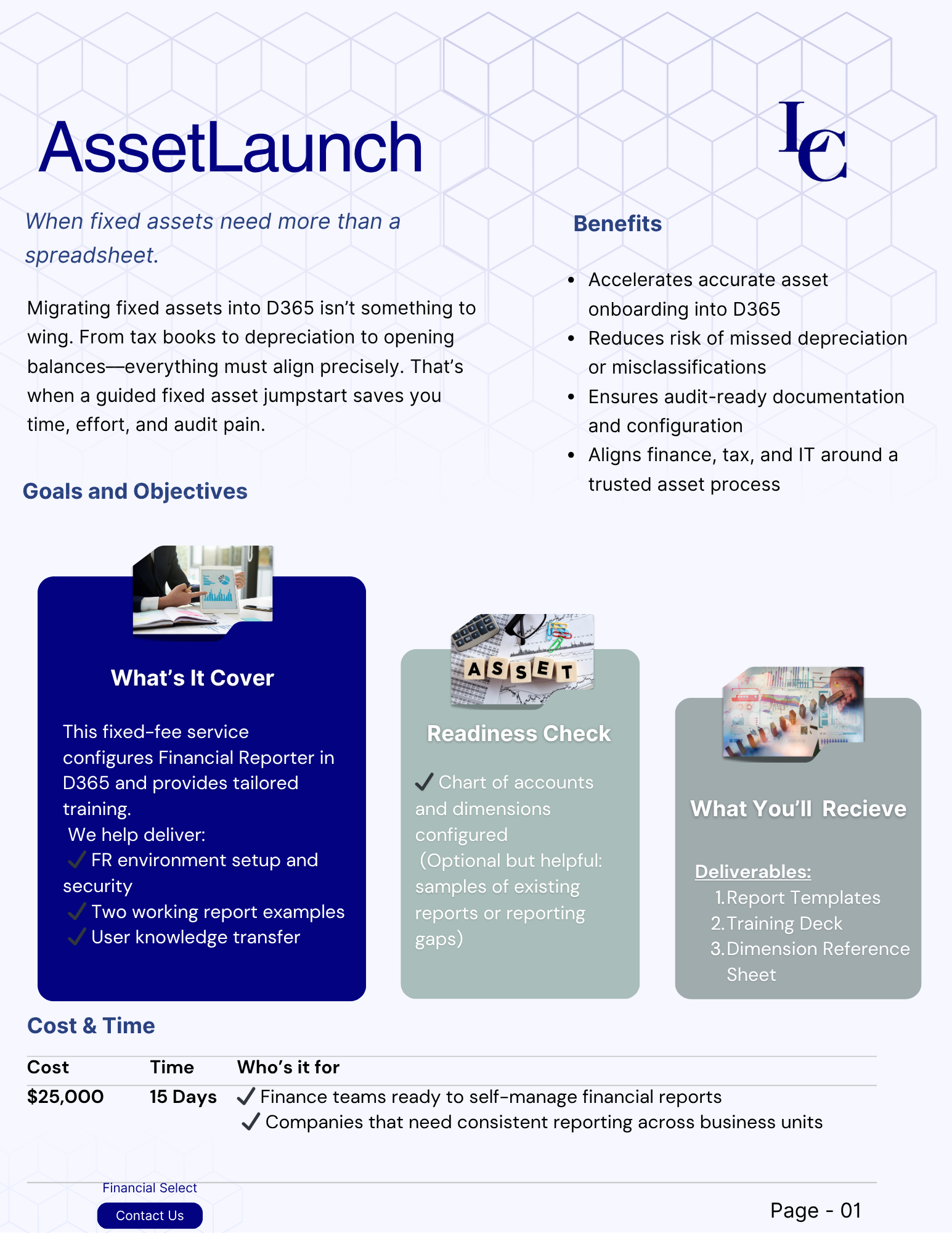
Reviews and corrects ledger-to-subledger alignment in D365 by fixing posting configurations, inventory profiles, reconciliation logic, GL mapping, and critical reporting procedures.
Optimizing Payment Schedules in the Electronics Industry with Microsoft Dynamics 365 Finance
Posted on: February 17, 2025 | By: Maya VanderWoude | Microsoft Dynamics AX/365, Microsoft Dynamics Manufacturing
In the electronics industry, managing cash flow effectively is essential for manufacturers, distributors, and retailers dealing with high-value transactions, global supply chains, and diverse customer bases. With fluctuating demand cycles and complex payment terms, businesses must ensure that payment schedules are structured to maintain financial stability while fostering strong supplier and customer relationships.
Microsoft Dynamics 365 Finance offers robust payment scheduling capabilities that enable electronics companies to optimize their accounts receivable and payable processes. By implementing flexible payment schedules, businesses can improve cash flow, reduce payment risks, and enhance financial efficiency across their operations.

The Importance of Payment Schedules in the Electronics Industry
1. Managing High-Value Transactions
Electronics businesses frequently handle large transactions with complex requirements. Offering structured payment schedules allows customers to pay in installments, making purchases more accessible while ensuring predictable revenue streams for suppliers.
For example, an electronics business might structure payments over three to six months to accommodate production cycles while securing steady income.
2. Enhancing Cash Flow Stability
Balancing incoming and outgoing payments is crucial in an industry where suppliers, distributors, and customers operate on different payment terms. Payment schedules in Microsoft Dynamics 365 Finance allow businesses to define installment-based payments, ensuring better financial planning and reducing the risk of delayed payments. To learn more about accurate Cash Flow Forecasting in Microsoft Dynamics 365 Finance, click here.
By setting up structured payment plans, businesses can:
- Align payment terms with supply chain needs.
- Avoid cash flow bottlenecks during production and procurement cycles.
- Improve forecasting accuracy for financial planning.
3. Supporting Global Trade and Multi-Currency Transactions
Many electronics companies operate internationally, dealing with multiple currencies, tax regulations, and financial agreements. Payment schedules in Microsoft Dynamics 365 Finance integrate with global financial structures, helping companies manage international transactions with ease.
Key benefits include:
- Automated currency conversion for cross-border payments.
- Compliance with country-specific financial regulations.
- Customizable terms to fit regional payment preferences.
4. Strengthening Supplier and Customer Relationships
Structured payment schedules not only help manage customer payments but also optimize accounts payable processes. By offering flexible installment plans to customers while maintaining clear payment commitments to suppliers, businesses can build trust and improve negotiations.
For example, an electronics distributor can negotiate extended payment terms with suppliers while offering structured financing options to retailers, creating a win-win financial strategy.
Payment Scheduling Features in Microsoft Dynamics 365 Finance
Microsoft Dynamics 365 Finance provides a range of features designed to streamline payment scheduling and financial management, including:
- Installment-Based Payments: Businesses can define payment schedules with fixed amounts, percentages, or specified due dates.
- Automated Payment Allocation: Choose from various allocation methods, such as total amount due, fixed amounts, or fixed quantities, to align with financial agreements.
- Integrated Accounts Receivable and Payable: Payment schedules work seamlessly across accounts receivable and payable, ensuring consistent financial tracking.
- Sales Tax and Interest Management: Automate tax allocation and apply interest charges for overdue payments to maintain compliance and financial discipline.
- Multi-Currency and Multi-Entity Support: Manage complex transactions across international markets while maintaining visibility across multiple legal entities.
Best Practices in Payment Schedules for Electronics Businesses
To maximize the benefits of payment scheduling in Dynamics 365 Finance, electronics companies should:
- Define Standard Payment Terms: Establish clear terms for different customer segments, considering factors such as order volume, risk assessment, and regional regulations.
- Align Payment Schedules with Supply Chain Needs: Ensure installment payments align with procurement cycles to maintain smooth inventory management.
- Automate Compliance and Reporting: Use built-in tools to enforce financial policies, track outstanding payments, and generate compliance reports.
- Leverage Analytics for Payment Optimization: Monitor customer payment behaviors and adjust schedules to reduce late payments and improve collections.
Conclusion
Effective payment scheduling is critical for success in the electronics industry, where cash flow management and financial stability are paramount. By leveraging Microsoft Dynamics 365 Finance, businesses can implement structured payment plans that enhance operational efficiency, strengthen relationships with suppliers and customers, and ensure long-term financial success.
Next Steps:
If you want to learn more about Payment Schedules with Microsoft Dynamics 365 Finance, contact us here to learn how we can help you grow your business. You can also email us at info@loganconsulting.com or call (312) 345-8817.
Related Posts
-
Logan Consulting Earns Microsoft Finance and Supply Chain Specializations
Posted on: August 28, 2026
Client Announcement | August 2026 What this independent Microsoft validation means for organizations choosing a Dynamics 365 partner. The badge...
-
Supply Chain’s AI Agent Reality Check: What D365 Actually Delivers in 2026
Posted on: August 25, 2026
LOGAN CONSULTING · AUGUST 2026 | Companion to Logan’s free Field Guide to Dynamics 365 Agents Executive Perspective The honest...