


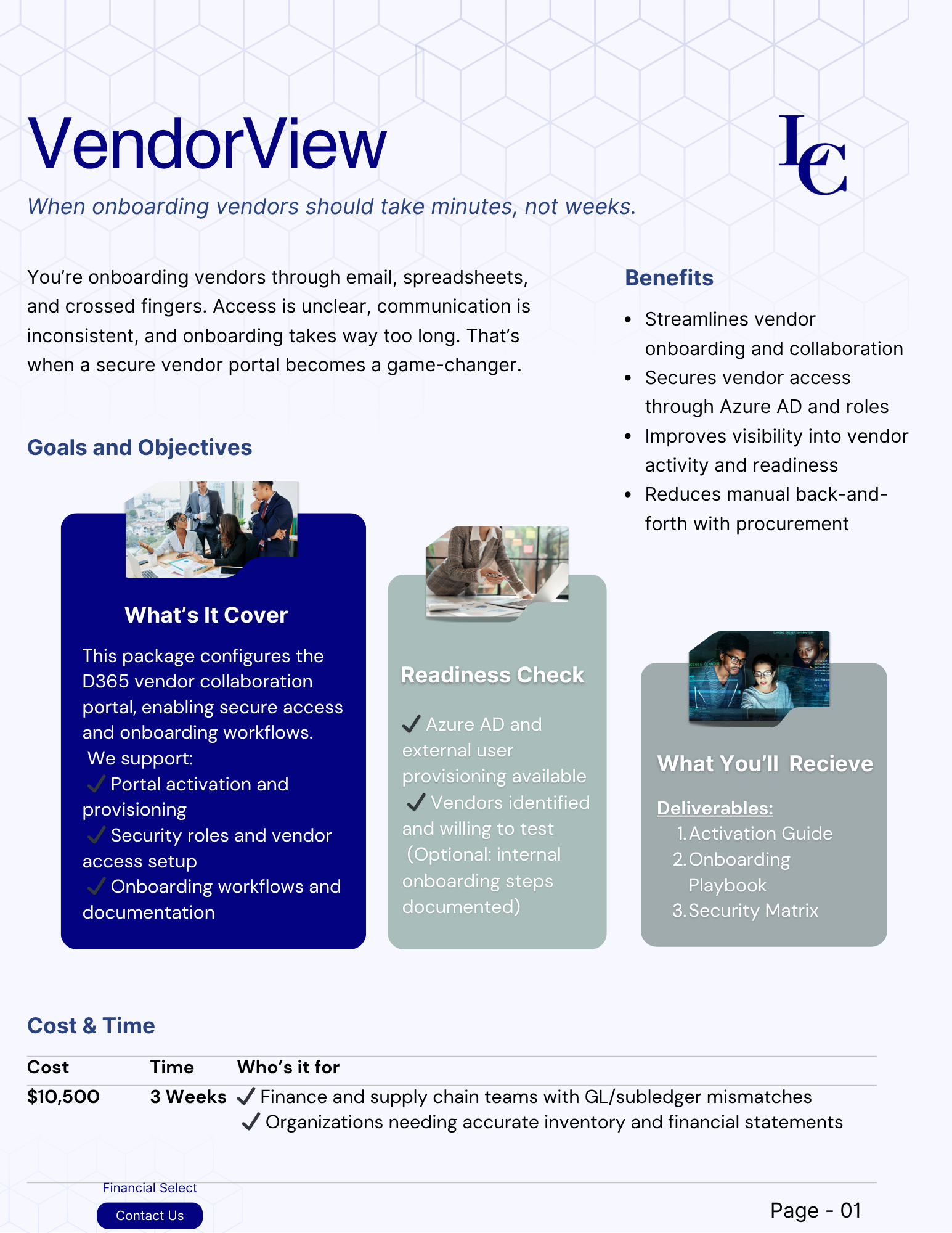


Reviews and corrects ledger-to-subledger alignment in D365 by fixing posting configurations, inventory profiles, reconciliation logic, GL mapping, and critical reporting procedures.
EDI Automation: How to Build Efficiency and Reduce Issues
Posted on: September 17, 2024 | By: Guy Logan | QAD Business Process
The heart of EDI is automation. Sure, the industry standard layout is helpful in aligning the data and its accuracy per transaction but as your company grows and gains more customers and suppliers the demand will increase. To effectively leverage your EDI solution automation is key to efficiently handling the added volume.
Automation is the use of technology to perform tasks with reduced human assistance.
The key take-away from that definition is “with reduced human assistance” as this helps to eliminate human error that can traditionally be seen in any manual task, especially if it’s repetitious.
There are many points of automation in an efficient EDI solution:
- VAN/Mailbox connectivity
- RAW EDI Translation / Routing
- Application Integration
The benefits of automation are seen across the business when EDI is scheduled efficiently. Some of these benefits include:
Efficiency
EDI replaces the need for manual data entry, allowing much more data to be loaded to ERP applications quicker. This allows your resources to focus on more valued added activities and provides more streamlined processes with a higher level of efficiency.
Accuracy
Taking the manual steps out of the process allows for the reduction of human error. This allows you to maintain better data integrity within your transmission, validation, and integration to and from your application. In the long run this will aid your business in maintaining better customer/supplier ratings allowing them to put their trust into bringing you more business.
Quicker Processing
Automation on key EDI transactions can significantly improve the speed of transactions loading and exporting from your application. This will ultimately enhance your fulfillment cycle providing a more efficient order-to-cash process as well as improving the procure-to-pay process. Keeping up with your customer demand and improving your lead times with supplier materials will ensure you have continued business with your trading partners.
Cost Reduction
Manual tasks require additional resources and materials to complete. Automation will reduce the need for both and reduce the overall administrative costs that come with it. With the enhanced accuracy and efficiency in the process now the cost of errors and mistakes should decrease as well.
Depending on your EDI solution this automation may look different. If you are a hosted solution your EDI Service Provider will likely have tools within their solution to aid in determining what processes can be automated and to what schedule they should run. If you have your own solution you will want to ensure that your tools have these features too or rely on the OS tools and some scripting to provide you with some solutions to do the same.
Understanding the needs and demands of your trading partners will help you to better understand what your schedule should be per transaction. Not all transactions have the same demands. It is best to understand the transaction, your trading partners intentions with it, and how your business teams intend on leveraging it before you set anything up.
In conclusion, EDI automation can save time, money, and allow your business to grow substantially larger more quickly. It will streamline your supply chain by providing better visibility, reducing cycle times, and optimizing your inventory. Determine what your tools have to offer and select the best means possible to reach your automation goals but keep it simple. Over-complication can lead to more breaking points in your process and require more support in the future. So, evaluate your trading partner’s needs, lay it out, and keep it simple!
Next Step
If you are interested in learning more about EDI Solution Providers, contact us here to find out how we can help you grow your business. You can also email us at info@loganconsulting.com or call (312) 345-8817.