



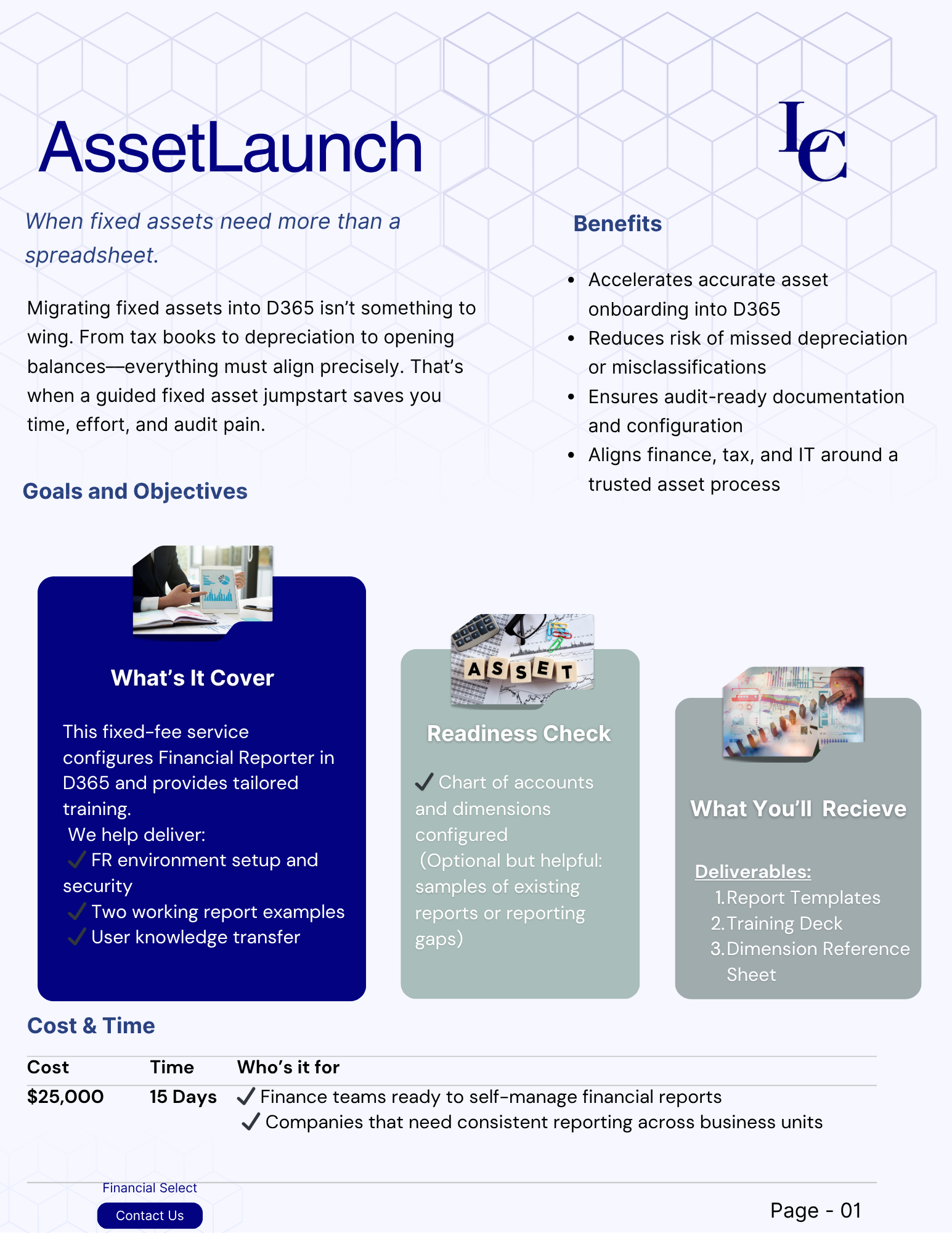
Reviews and corrects ledger-to-subledger alignment in D365 by fixing posting configurations, inventory profiles, reconciliation logic, GL mapping, and critical reporting procedures.
Streamline Supplier Payments with Microsoft Dynamics 365 Finance: Mastering Vendor Recurring Invoices
Posted on: April 10, 2024 | By: Jarrod Kraemer | Microsoft Dynamics AX/365, Microsoft Dynamics Manufacturing
In today’s fast-paced business environment, automation within financial systems is vital for efficicency. Microsoft has jumpstarted this automation through Microsoft Dynamics 365 Finance (D365) with the Vendor Recurring Invoices feature. This blog talks about the intricacies of this feature, highlighting its significance, functionality, and the seamless process it promises for businesses grappling with monthly invoicing routines.
 The Genesis of Vendor Recurring Invoices
Dynamics 365 Finance (D365) users have enjoyed the benefits of automation in account receivables through the use of free text invoices for customers. This allowed for the automatic generation of invoices based on predefined templates, significantly reducing manual data entry. Microsoft extended this functionality to cater to supplier invoices as well, creating the Vendor Recurring Invoices feature.
What is the Vendor Recurring Invoices Feature?
Vendor Recurring Invoices is a functionality designed to automate the process of creating supplier invoices. It operates on the principle of predefined frequencies set within templates, minimizing repetitive data entry tasks. Imagine a scenario where your company rents a property with a fixed monthly payment. Traditionally, this would require the invoice processor to manually enter the same data each month – a mundane task ripe for automation.
Enabling and Setting Up the Feature
The first step to leveraging this feature involves enabling it within the Feature Management section of D365. Following this, users must configure a number sequence for the recurrence ID, setting the stage for the automation process. The core of the setup lies in creating a template for recurring invoices, which involves specifying the invoice’s attributes such as payment terms, method of payment, and, importantly, the invoice lines which can include items or procurement categories.
The Automation Process
Once the template is crafted and applied to a vendor account, the system is ready to automate. This automation encompasses the creation of pending vendor invoices, effectively handling the monthly invoice generation with minimal human intervention. The system allows for the customization of billing frequencies, ensuring adaptability to various billing cycles. Furthermore, it supports batch processing, allowing for the simultaneous handling of multiple templates, thus catering to businesses with diverse vendor needs.
The System Demo: A Glimpse into the Process
A practical demonstration within the D365 system reveals the simplicity and efficiency of the Vendor Recurring Invoices feature. From enabling the feature in Feature Management to navigating through Accounts Payable to set up recurring invoices, the process is streamlined. Users can define templates, assign them to vendors, and specify billing details such as frequency and start date. The generation of invoices follows a simple selection process, culminating in the creation of a recurrence ID and invoice number, with the system automatically populating invoice details based on the template.
Beyond Automation: Integrating with Other Features
The introduction of Vendor Recurring Invoices opens avenues for further automation, including integration with subscription billing, deferrals, and invoice process automation. This not only simplifies the invoicing process but also enhances the overall financial management within a business, making it a valuable tool for entities regularly dealing with a high volume of supplier invoices.
The Vendor Recurring Invoices feature in D365 displays the power of automation in modern-day business practices. By reducing manual data entry, streamlining invoice processing, and providing a foundation for further automation, it offers businesses an efficient, error-free way to manage monthly supplier invoices. As we continue to explore the capabilities of D365, it’s clear that features like these are pivotal in the digital transformation journey of finance and operations, promising a future where efficiency and accuracy are not just goals, but standards.
Next Steps:
If you want to learn more about Vendor Recurring Invoicing in Microsoft Dynamics 365 Finance, contact us here to learn how we can help you grow your business. You can also email us at info@loganconsulting.com or call (312) 345-8817.
Related Posts

Your D365 License Bill Might Be a Security-Role Problem.
Posted on: September 30, 2026
Access & Licensing / Finance + Supply Chain Before you buy more licenses, find out whether yesterday's access still belongs...
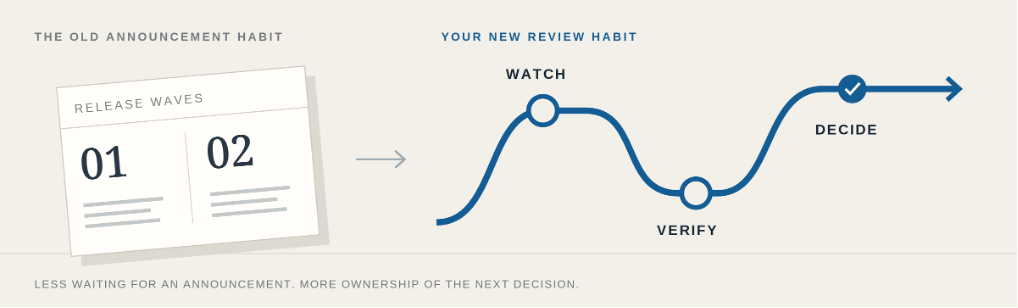
The D365 Roadmap Moved. Here’s What Your Release Plan Needs Now.
Posted on: September 29, 2026
ILLUSTRATIVE PLANNING-ROOM SCENARIO Picture the next steering meeting. Someone drops a Microsoft announcement into the chat. A planner asks, “Can...